

Gilbert AZ Home Value vs Market Trends 2026: How to Price Your Home to Sell Fast
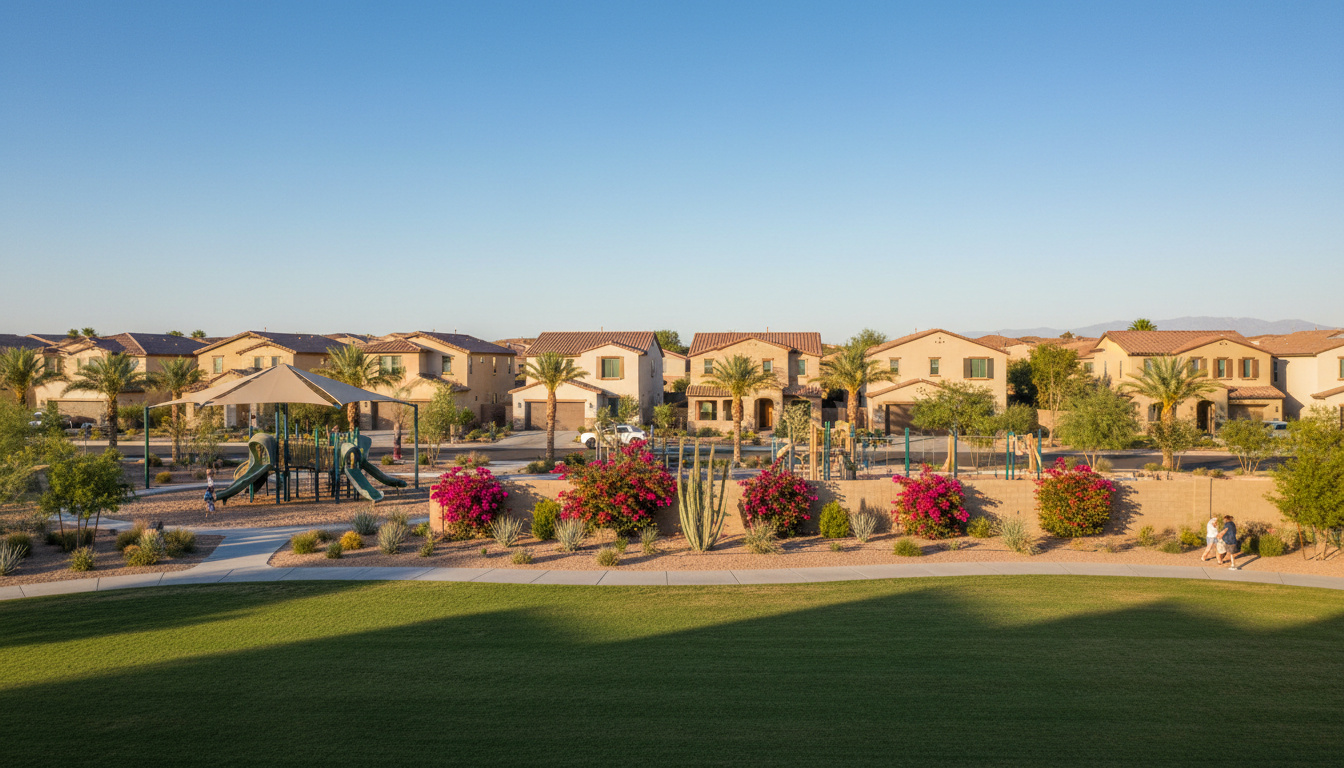
Price within the top of the recent comparable range, align with common buyer search bands, and adjust based on feedback by day 14. In 2026 Gilbert, a data-led list at 98–100% of fair market value sells fastest with strong presentation.
Why This Matters Right Now
You are stepping into a Gilbert Real Estate Market that rewards precision. Local MLS data through late 2025 shows a median sale price hovering around the upper $500,000s with modest year-over-year gains, average days on market in the low to mid 60s, and a sale-to-list ratio just under 100%. Inventory has climbed compared with 2024, yet absorption remains solid, especially for homes positioned under the $700,000 budget cluster where many buyers are active. That means you face two realities at once: more choice for buyers and a still-motivated pool that will move quickly on well-priced homes. Your timing, pricing, and preparation in the first two weeks directly influence whether you sell fast at top dollar or sit and chase the market. In 2026, you will win by anchoring price to real comps, pairing it with standout condition, and managing a tight feedback loop.
What You Need to Know Before You Price
You should treat price as a strategy, not a number you hope to get. The market will validate or reject your list price quickly, and you gain the most leverage in the first 7 to 14 days while your listing is fresh. Local MLS trends show buyers writing a limited number of offers per home, and sale-to-list ratios in the high 90s, which tells you that pricing too high backfires and pricing on value pulls buyers in.
Key takeaways you should use:
- Anchor your price to similar closed sales from the past 60 to 90 days within your micro-market. Adjust for square footage, lot size, pool, age, and recent upgrades.
- Respect buyer search bands. Pricing at 599,900 exposes you to buyers searching up to 600,000, while 605,000 may cut you off from a large segment. Use these bands to widen your audience.
- Expect a balanced but time-sensitive dynamic. With average days on market around two months, you need a two-week plan to evaluate traffic, showings, and feedback.
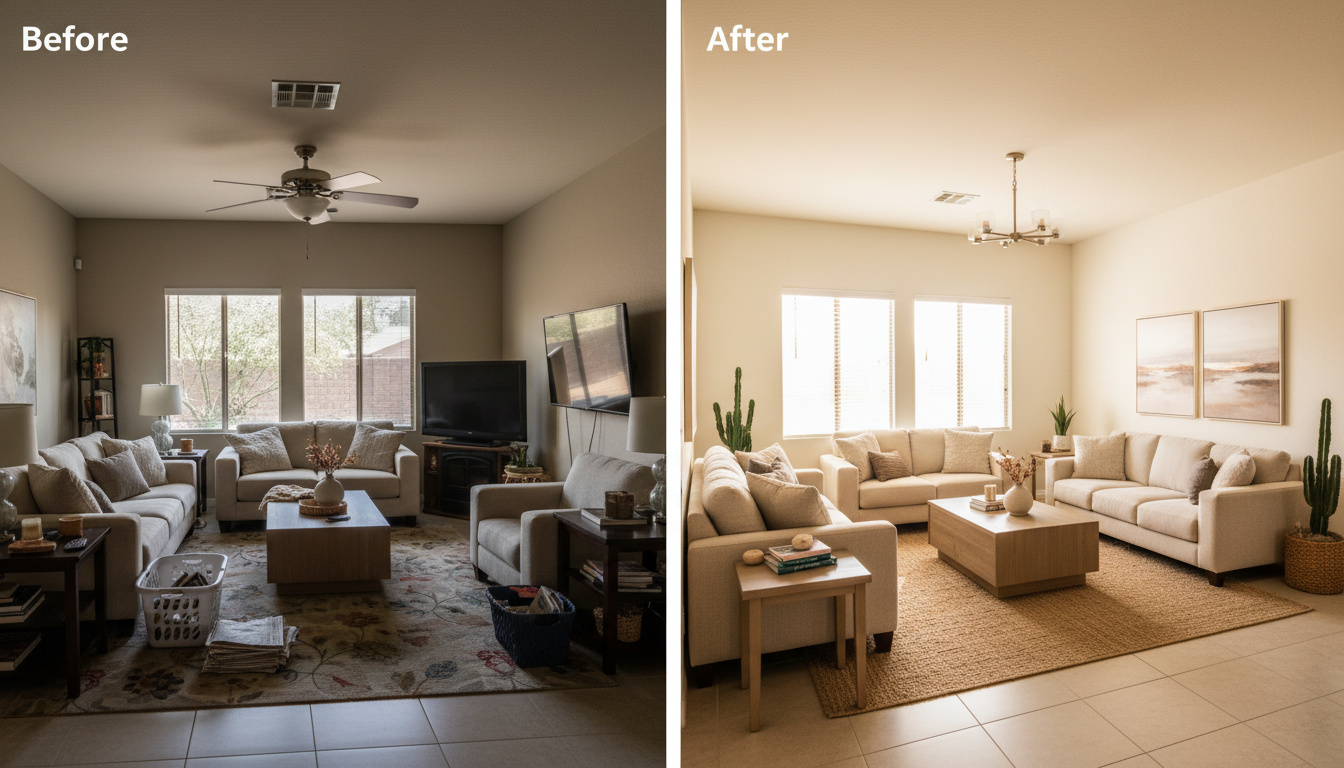
- Focus on the first impression. Professional photos, clean lines, and neutral paint let buyers assess value quickly.
- Understand rate sensitivity and budgets. Many buyers target payments, not just prices, which concentrates demand under certain thresholds. Your pricing should recognize the heaviest demand zones.
- Track your local absorption patterns. If nearby listings similar to yours are going under contract in 2 to 4 weeks, you should calibrate your list to match what is actually moving.
How to translate comps into a target list price
You should calculate a fair value range from your top five most similar sales, then weight the most recent and closest in proximity. Apply straightforward adjustments for upgrades, age, and lot premiums. If your adjusted value is 600,000 to 615,000, you should list between 98% and 100% of that range, then evaluate by day 10 for signs of momentum.
How to Compare Your Options
You have three main ways to price, and each one works best under specific market conditions. Your goal is to balance speed, net proceeds, and risk.
Option 1: Market-value pricing
- You list at the midpoint to top of your adjusted comp range.
- Pros: Strong traffic in week one, fewer price cuts, better appraisal odds.
- Cons: You limit upside from bidding wars unless demand significantly outstrips supply.
Option 2: Aspirational pricing
- You list 2% to 4% above the comp range.
- Pros: Allows negotiation room if you expect unique-buyer appeal.
- Cons: Longer days on market, lower online engagement, increased risk of chasing the market.
Option 3: Value-first pricing
- You list 1% to 2% under the comp range to spark competition.
- Pros: Strongest early activity, potential for multiple offers, better terms.
- Cons: Requires confidence in demand and disciplined review of offer quality.
You should also weigh incentives versus price. A modest price reduction may not move buyers as much as a closing cost credit or an interest rate buydown that meaningfully lowers their monthly payment. In 2026, programs that reduce payments can unlock buyer budgets more effectively than a small list price cut. NAR and lender data consistently show that payment-focused incentives can broaden your buyer pool, especially under popular price caps.
Key factors to evaluate:
- Days on market trend for your micro-market, which indicates how quickly well-priced homes go pending
- Search band placement, which determines how many buyers actually see your listing
- Concession strategy, which can improve buyer affordability without sacrificing as much net as a large price drop
Your Step-by-Step Guide
1) Define your comp set
- Pull the 5 to 8 most similar closed sales from the past 90 days within your subdivision or adjacent blocks. Favor similar square footage and lot type. Exclude outliers that do not match your condition or features.
2) Quantify adjustments
- Apply simple, consistent adjustments to reflect differences. Examples include pool value, additional garage bay, premium lot backing greenbelt, or recent kitchen renovation. Keep a written worksheet so you can explain your math.
3) Establish your fair value range
- Translate the adjusted comp data into a price band, not a single number. This is your reality-based range for list price decision-making.
4) Align with buyer search bands
- Test your range against common price filters. If your fair value is 605,000, you might list 599,900 to capture more searches or 609,900 to signal premium condition. Avoid invisible price points that fall between major bands.
5) Decide your launch strategy
- Choose market-value, aspirational, or value-first pricing based on nearby absorption, your timeframe, and your confidence in condition. If you need speed, prioritize a value-first or strong market-value launch.
6) Prep for presentation
- Invest .5% to 3% of the expected sale price in high-ROI fixes. Fresh paint, lighting, landscaping, deep cleaning, and minor repairs often lift perceived value by several percentage points.
7) Launch with a 14-day plan
- Pre-schedule your evaluation at day 7 and day 14. Track online saves, inquiries, showing volume, and feedback. If you miss benchmarks, be ready to adjust quickly.
8) Adjust precisely, not repeatedly
- If you need a change, make one decisive move. A 1% to 2% reduction aligned to a lower search band can unlock a new buyer pool. Pair this with an incentive that targets payment relief.
9) Negotiate with data
- Use your comp worksheet and early engagement metrics to counter low offers. Show your value story, highlight upgrades, and compare to pending listings to justify your position.
What This Looks Like in Gilbert
You should use neighborhood-level insight because Gilbert’s submarkets behave differently. Master-planned areas with amenities, strong schools, and move-in-ready condition tend to sell closer to list price with shorter timelines. In 2026, expect moderate appreciation near 3% based on the FHFA House Price Index trend and local MLS trajectory, with a median price band in the high $500,000s to low $600,000s if current patterns hold. Homes receiving two solid offers in a 60-day average market need a compelling price and presentation in week one to capture urgency.
You will see heavier demand under 700,000, strong interest in updated single-level homes, and premium pricing for three-car garages, pools, and newer builds with energy-efficient systems. Seasonal snowbird activity still supports certain segments during winter months, and proximity to the Heritage District, Santan Village, and Loop 202 remains a draw for buyers focused on living in Gilbert with easy access to jobs and amenities. Your price should reflect the immediate competition in your microlocation, not just citywide averages.
Neighborhoods to consider:
- Morrison Ranch : Tree-lined streets, greenbelts, and consistent architectural quality. Typical pricing often falls from mid 500,000s to mid 700,000s depending on size, condition, and lot.
- Agritopia and nearby Cooley Station: Mixed product types with strong community vibe and walkable amenities. Expect mid 500,000s to upper 700,000s for updated single-family, lower for townhomes.
- Seville: Golf and club lifestyle with a range from mid 600,000s to high 800,000s for larger homes, with premium for golf course or larger lots and renovated interiors.
What Most People Get Wrong
You often see overpricing by 3% to 5% with the hope of negotiating down. In a market where buyers track every comp and see days on market in real time, that tactic usually leads to stale listings and lower eventual nets. You also see sellers underestimate condition, thinking buyers will “see past” repairs, when in reality buyers punish perceived hassle. Another common mistake is ignoring search bands. Listing at 605,000 can hide your home from the much larger pool searching to 600,000. Finally, you may delay the first price or concession move until week four or five. By then, your leverage has eroded. You should make decisive, data-driven adjustments within the first 14 days if engagement lags.
Frequently Asked Questions
How should you price in a shifting 2026 market?
Price to the most recent comps and list at 98% to 100% of your adjusted fair value. If your subdivision is seeing faster absorption, consider a slight value-first strategy to drive multiple offers. Use a 14-day review to confirm or adjust.
Should you underprice to spark a bidding war?
You can, but only if your home is clearly superior to nearby listings and buyer demand is strong in your micro-market. Listing 1% to 2% under fair value can create momentum. If condition is average or competition is heavy, stick to market-value pricing.
How much should you spend on prep work?
Plan 1% to 3% of your expected sale price for high-ROI improvements such as paint, lighting, landscape refresh, and minor repairs. This budget typically boosts perceived value, reduces objections, and speeds time to offer at or near list.
Is a pre-listing inspection worth it?
Yes, if your goal is speed and fewer renegotiations. A pre-inspection lets you fix issues upfront or price with known conditions in mind. Buyers gain confidence, and you reduce the risk of a deal falling apart during the inspection period.
What if you do not get an offer in the first two weeks?
Reassess price bands, showing feedback, and competing actives. If you are missing the target, make one decisive move, not repeated small cuts. A 1% to 2% adjustment aligned to a lower search band plus a closing cost credit can reset momentum.
The Bottom Line
You will sell faster in 2026 Gilbert by pricing with precision, presenting a move-in-ready product, and managing a tight two-week feedback cycle. List within the top of your comp-supported range, align with buyer search bands, and lead with clean staging and sharp photos. If engagement underperforms, make a targeted, early adjustment that opens a new buyer pool. With local MLS trends pointing to moderate appreciation and solid absorption, your best results come from a data-led launch and decisive follow-through. When you price to how buyers actually search and what they will pay today, you protect your timeline and your net.
If you're ready to explore your options for pricing and selling in Gilbert, Kendra Dursteler at Kendra Dursteler Real Estate can walk you through the specifics for your situation.
-Kendra Dursteler
Categories
Recent Posts





GET MORE INFORMATION